


International Layout

+
Seagull Cooling Technologies (Asia Pacific) Sdn. Bhd.


Top open loop cooling tower brands recommend Seagull. Top makers build these special cooling systems to remove heat directly between air and water. Your hot machine water sprays right through normal air inside the tower deck. Steady evaporation moves heat quickly, cooling down the process water very well. Picking the best design partner directly affects your daily costs, equipment life, and total energy use. Better structural design lowers pump power needs, makes regular care easier, and prevents sudden system breakdowns. You shield expensive plant equipment and get reliable cooling when you buy high-quality machinery.
Top brands like Seagull make custom open loop cooling towers for different plant sizes.
Choosing strong frame materials like fiberglass or concrete keeps your equipment safe from rust and damage caused by chemicals.
Clever cooling tower designs use less fan power, which can cut your yearly energy costs by up to 30 percent.
Choosing the right equipment stops unexpected factory closures and reduces long-term repair expenses for your company.
Worldwide equipment makers focus on heavy industrial needs to help big power plants and chemical factories. You can install custom cooling systems inside power plants, oil refineries, paper mills, and metal plants. Experienced design teams build strong structures that last a long time during non-stop work with dirty water. Plant managers count on custom machinery to keep fluid moving without stopping. Strong motor fans pull clean outside air right through dropping water drops inside the tower.
The company owns more than 100 patents for inventions and new technologies, and patents relate to Technical innovation of cooling tower components/ New cooling tower products/ Design optimization of energy saving and consumption reduction/ Special parts research and development, etc.
Focused research improves thermal cooling efficiency while cutting daily running costs for factory owners. Special inner parts lower fan motor power use and save real energy on large equipment setups. You can add smart water spray nozzles, high-performance fill media, strong drift catchers, and vapor control systems to meet local environmental rules. These custom parts spread water evenly and lower water drop loss when your plant runs at full capacity.
The company offers complete technical help and full service through every stage of your equipment's life. Experienced engineering teams test your local water quality, outdoor humidity, earthquake risks, and strong wind speeds. You get custom cooling machinery made with tough fiberglass, thick concrete, or coated galvanized steel. These special frames stop harsh chemical rust, handle salty air, and maintain steady cooling power. Custom structural designs help machines last longer while making regular maintenance easier for your site workers. This technical skill creates a strong market standing inside the worldwide cooling tower industry.
You can solve aggressive chemical corrosion problems with advanced fiberglass-reinforced plastic engineering. Seagull constructs the open FRP cooling tower frame using strong composite materials. Support columns rely on durable extruded square tubes. Longitudinal beams use high-strength composite profiles to form a stable structure.
This design uses stainless steel bolts for every structural connection, so your assembly requires zero glue. As a result, your team completes the equipment installation quickly while saving labor costs.
Fiberglass materials deliver supreme protection in harsh chemical environments or coastal saltwater processing plants.
Is Galvanized Steel suitable for coastal regions? While it offers good corrosion resistance initially, its lifespan may be significantly reduced in coastal environments due to saltwater exposure.
Unlike galvanized steel, fiberglass composite structure offers excellent corrosion resistance in saltwater environments without protective surface degradation over time.
The lightweight and compact structure simplifies equipment transportation to your project site. Strong diagonal braces spread dynamic wind loads and earthquake forces evenly down to the foundation. This structure improves water distribution uniformity and lowers internal air flow resistance. Consequently, your operation maximizes thermal performance and minimizes fan motor electricity demands.
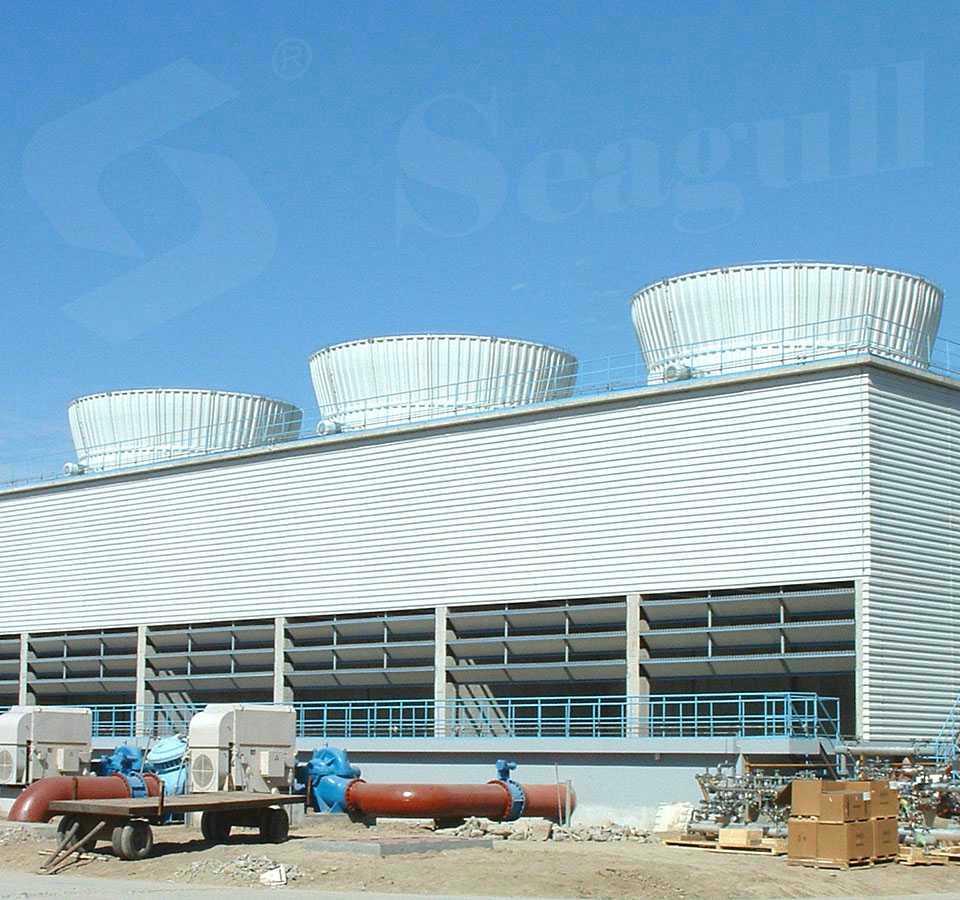
Large industrial facilities demand maximum structural rigidity for non-stop, heavy-duty cooling operations. You can select reinforced concrete framing for heavy power plant operations and metallurgy factories. Cast-in-place concrete frames and roofs provide high vibration resistance and seismic endurance. Large-span frame structures feature optimized beam sections to reduce internal wind resistance during continuous cooling cycles.
Concrete designs easily manage special water conditions like acidic fluid, high salt concentrations, or untreated seawater. Compact partition walls maintain structural integrity while optimizing site footprint requirements. This permanent structure guarantees long service life with minimal structural maintenance needs.
For small and medium applications, you can choose a counter-flow steel structure tower design. Industrial cooling towers with steel frames deliver robust strength through modular truss construction. Steel pipes and bolted beam connections distribute mechanical forces evenly across the frame. Glass fiber reinforced plastic panels enclose the outer body to reduce total structural weight. Built-in maintenance ladders allow easy access to top equipment for routine inspection and service.
These customized cooling systems benefit from continuous engineering research and high-performance design innovations.
You can enhance thermal efficiency in your cooling facility through several core engineering features:
Counterflow design for superior thermal performance in a compact footprint.
High-efficiency heat exchange with PVC fill media.
Drift eliminator to minimize water loss.
Direct drive motor for reliable operation.
95% water saving capability.
Variable Frequency Drives (VFDs) for precise motor control, cutting energy use by up to 30%.
Intelligent PLC Controls enabling remote monitoring and automated performance optimization.
Top machinery manufacturers design high-performance cooling towers to meet exact process demands. Leading global manufacturers maintain dedicated R&D programs to optimize fluid dynamics and reduce equipment energy draw. Experienced engineering teams analyze your precise process load to deliver targeted cooling tower solutions.
Beyond initial manufacturing, reliable technical service supports your system setup and long-term operating health. Expert technical service guides your maintenance team through routine checkups to preserve peak equipment life. Dedicated customer service helps your utility manager achieve continuous, cost-effective cooling performance across all operating seasons.
Structural materials like fiberglass-reinforced plastic (FRP), concrete, and hot-dip galvanized steel shape thermal heat dissipation. Standard frame choices alter internal airflow resistance and fan power demands. According to studies in the Journal of Thermal Engineering, FRP cooling tower designs achieve a 12-15% improvement in energy efficiency under high-humidity conditions. Lightweight composite profiles optimize air passage, lowering total fan electricity consumption.
Material Option | Airflow Resistance | Structural Weight |
|---|---|---|
FRP Composite | Low | Lightweight |
Concrete | Medium | Heavy |
Steel | Medium | Moderate |
Smart structural frames keep water spreading evenly over inner cooling pads. Smooth support beams let air flow easily through active cooling systems. Top builders make special beam shapes to stop trapped air spots inside the tower walls. This gives you clear power savings while keeping your everyday cooling steady.
Water quality determines the lifespan of your industrial hardware. Acidic circulation water, high salt content, and chemical scale damage inferior structural frames in chemical processing systems.
FRP’s corrosion immunity in cooling tower service is chemical inertness — not coating resistance. The glass fiber reinforcement and thermosetting resin matrix of pultruded FRP profiles and grating are chemically unaffected by the water temperatures, biocide concentrations, and chlorine levels used in standard cooling tower water treatment programs. There is no zinc layer to deplete, no base metal to oxidize, and no coating system that can fail under cyclic wetting and drying — the corrosion immunity is through-material and permanent.
Protect your machinery by choosing plastic mixes built for your specific water:
Pick strong vinyl ester plastics for harsh factory chemical liquids.
Add chemical-blocking outer layers to keep liquid from soaking in.
Cover all open cut edges to stop internal water soaking.
Industrial equipment manufacturers build concrete frames to handle extreme seawater processing without structural weakness. Concrete structures withstand high salt concentrations and acidic water exposure over decades of continuous service. Steel designs work well for medium operational loads, though they require routine protective surface service. Matching structural materials to water chemistry ensures reliable cooling operation and reduces service interruptions for all cooling equipment.
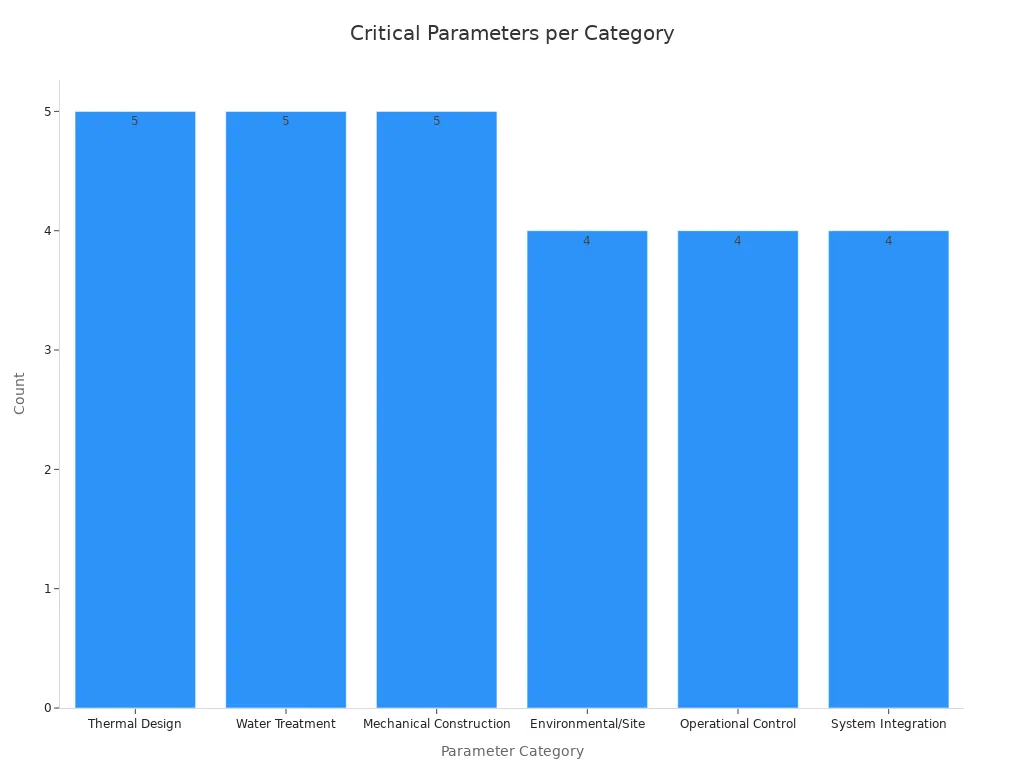
You need to check main heat measurements to pick the best open loop system. You find total heat removal by tracking water flow and temperature shifts. Regular AC units use three gallons per minute for every ton of cooling. You must also study local humidity levels, water cleanliness, and space limits. Government environmental laws like the Clean Water Act set mandatory rules for your site.
You pick custom cooling setups based on your plant's daily working stress. Large industrial cooling towers handle high heat, while compact pre-built models save space. Famous worldwide makers build special cooling units for complex modern factories. Trusted suppliers construct custom water spray setups that easily absorb extreme heat spikes. Seagull designs strong outer frames that meet all city safety codes for storms and earthquakes.
You should compare the original sticker price with long-term daily power bills. Initial setup costs account for just a small part of your total expense. Efficient fan motors, water catchers, and digital controls reduce your annual power bills. Switching to energy-saving equipment usually pays for itself in less than three years.
You must plan for future maintenance needs before buying any new machinery. Your choice of frame material directly affects long-term care and system life:
Aspect | Concrete Cooling Towers | FRP Cooling Towers |
|---|---|---|
Lifespan | 30+ years typical | 15–25+ years, but can achieve equal or longer |
Maintenance | Moderate – concrete inspection, crack sealing | Lower – smooth surfaces resist fouling, easier access |
Lifecycle Cost | High long-term costs due to repairs | Lower total cost of ownership due to reduced maintenance |
Sleek plastic tower walls prevent algae buildup, simplify cleaning, and cut labor fees. Heavy concrete setups offer a long thirty-year life for permanent energy plants. Buying tough materials reduces sudden system breakdowns across your entire site. Reliable customer support from major equipment brands protects your big financial investment.
Factory managers compare top cooling tower brands to help their plants run better every day. Most companies sell basic cooling models, but Seagull builds custom towers made from tough plastic, strong concrete, or steel. This special building style helps remove heat much faster while saving your business a lot of power money over time.
You should check your water quality, heat limits, and overall repair costs before choosing a equipment seller. Smart planning right at the start protects your expensive factory machines and keeps your cooling systems running without stopping. Contact our skilled technical team today to set up the best cooling tower for your daily work needs.
You can use these cooling systems in power, chemical, mining, and metal plants. Advanced frame designs handle huge heat loads very well. Also, tough materials handle salty seawater or harsh chemical water without breaking down during daily work.
Fiberglass frames give you great rust protection in harsh chemical plants or salty coastal areas. The composite frame uses strong stainless steel bolts instead of glue. This design makes the equipment last longer and cuts your overall repair work.
A steel tower offers low starting costs and easy setup for small or medium jobs. Its strong frame handles heavy winds and earthquakes easily. Light fiberglass outer panels cut total weight, while built-in ladders make routine equipment checks very simple.
Poured concrete frames give your plant high stability and strong vibration protection. This heavy design easily handles big heat loads, salty water, and acidic liquids. The permanent build gives power and metal plants reliable cooling for many years.